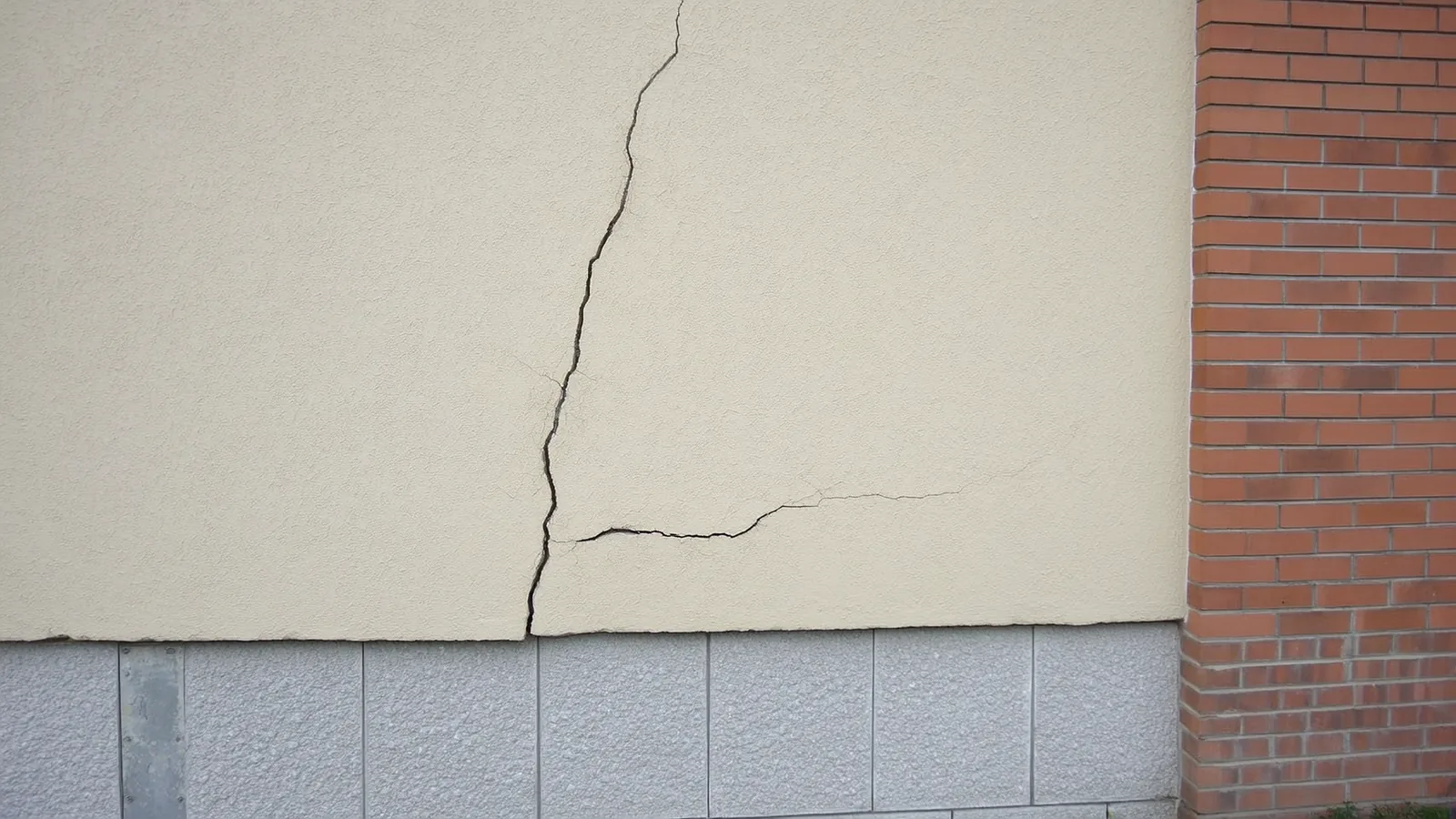
Symptom · Structural
Foundation Cracks Guide
Foundation cracks fall into four diagnostic types: vertical (often cosmetic from concrete curing), horizontal (urgent, from hydrostatic pressure), stair-step (almost always structural, from differential settlement in brick veneer), and floor (variable, slab shrinkage vs settlement). Severity depends on width, direction, location, and progression. Hairline vertical cracks under 1/16 inch are usually safe to monitor. Cracks over 1/8 inch in any direction warrant professional inspection.
Foundation Cracks Guide foundation repair in Chattanooga
Foundation cracks fall into four diagnostic types: vertical (often cosmetic from concrete curing), horizontal (urgent, from hydrostatic pressure), stair-step (almost always structural, from differential settlement in brick veneer), and floor (variable, slab shrinkage vs settlement). Severity depends on width, direction, location, and progression. Hairline vertical cracks under 1/16 inch are usually safe to monitor. Cracks over 1/8 inch in any direction warrant professional inspection.
Free written inspection
Get my free inspection →Same-day inspections in most cases. No-obligation written quote.
Symptom details
Understanding foundation cracks guide
The Four Foundation Crack Types
Crack type is the most important variable for diagnosis. Width alone cannot determine severity; direction and location are equally important.
- Vertical cracks: Top-to-bottom cracks in poured concrete walls. Under 1/16 inch wide and stable, they are usually concrete curing shrinkage and cosmetic. Wider or progressing vertical cracks indicate settlement and need inspection.
- Horizontal cracks: Cracks running across a basement wall at mid-wall height. Almost always urgent. These indicate hydrostatic pressure from saturated soil pushing inward on the wall.
- Stair-step cracks: Diagonal cracks tracking the mortar joints in brick veneer or block walls. Almost always structural. Indicate differential settlement on one corner of the foundation.
- Floor cracks: Cracks in concrete slab floors. Hairline cracks under 1/16 inch are often shrinkage from curing. Wider cracks or cracks with displacement indicate slab settlement.
Severity by Width and Direction
| Width | Vertical | Horizontal | Stair-step in brick |
|---|---|---|---|
| Hairline (under 1/16”) | Cosmetic, monitor | Inspect within 2 weeks | Inspect within 30 days |
| 1/16” to 1/8” | Inspect within 60 days | Inspect within 2 weeks | Inspect within 2 weeks |
| 1/8” to 1/4” | Inspect within 30 days | Urgent: 24 to 72 hours | Urgent: 1 to 2 weeks |
| Over 1/4” | Urgent: 2 weeks | Emergency: 24 hours | Urgent: 1 week |
What Causes Each Type
- Vertical cracks: Concrete shrinkage during curing (cosmetic), or minor settlement spreading the wall along its weakest line.
- Horizontal cracks: Hydrostatic pressure from saturated soil exceeding the wall’s bending capacity. The wall is being pushed inward.
- Stair-step cracks: One corner of the foundation has settled relative to the rest, racking the brick veneer along mortar joints because brick is rigid but mortar yields.
- Floor cracks: Either shrinkage of the slab during curing (cosmetic hairlines), or settlement of the supporting soil beneath the slab (wider with displacement).
Repair Methods by Type
- Cosmetic crack: polyurethane injection, $250 to $800 per crack
- Settlement crack: helical piers or steel push piers, $1,000 to $3,000 per pier, then crack sealing
- Hydrostatic crack: basement waterproofing + drainage correction, $2,300 to $7,600
- Floor crack from settlement: slab foundation repair, $350 to $20,000
See the foundation repair cost guide for full method-by-method pricing per Bob Vila’s May 2024 cost guide.
Questions
Common foundation cracks guide questions
Are foundation cracks always a sign of foundation problems?
What causes foundation cracks?
How do you fix foundation cracks?
How much does it cost to fix foundation cracks?
Can I fix foundation cracks myself?
Free inspection
Find out if your foundation cracks guide is serious
On-site inspection identifies cause and urgency. Written diagnosis within 24 hours. No obligation.