Service · Chattanooga
Crawl Space Repair / Encapsulation in Chattanooga
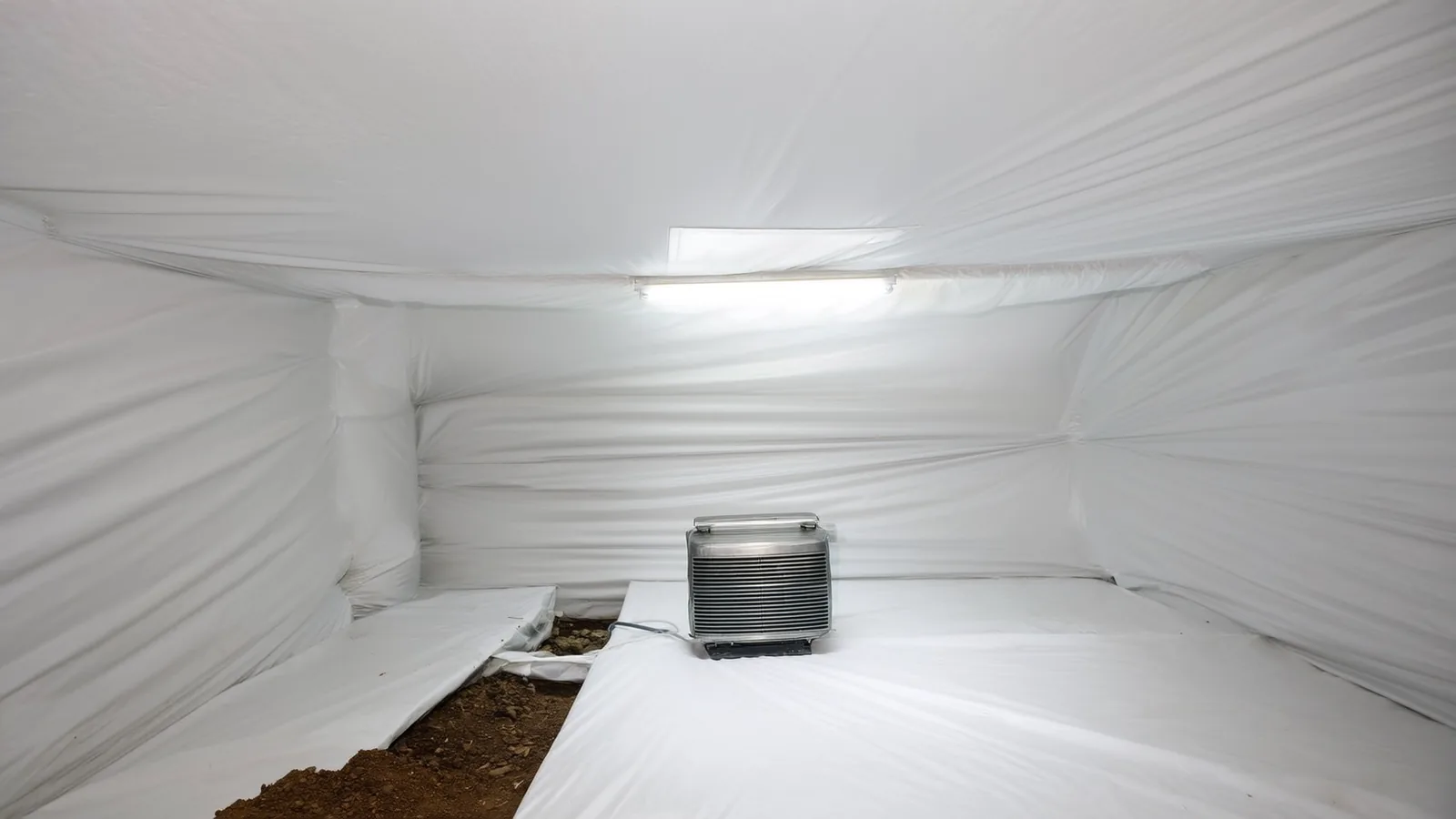
Crawl space encapsulation seals the under-floor space with a heavy polyethylene vapor barrier across the floor and walls, sealed penetrations and vents, and a dedicated dehumidifier to maintain target humidity. The result is a conditioned, sealed crawl that protects pier-and-beam structure from moisture damage and prevents humid crawl air from entering the home above. Cost runs $700 to $25,000 per project per Bob Vila's May 2024 guide depending on scope.
Crawl Space Repair & Encapsulation in Chattanooga: Top Moisture-Control Guide
Crawl space encapsulation seals the under-floor space with a heavy polyethylene vapor barrier across the floor and walls, sealed penetrations and vents, and a dedicated dehumidifier to maintain target humidity. The result is a conditioned, sealed crawl that protects pier-and-beam structure from moisture damage and prevents humid crawl air from entering the home above. Cost runs $700 to $25,000 per project per Bob Vila's May 2024 guide depending on scope.
Free written inspection
Get my free inspection →Same-day inspections in most cases. No-obligation written quote.
Method details
More on crawl space repair / encapsulation
What Crawl Space Encapsulation Actually Does
A traditional vented crawlspace is designed to let outside air circulate beneath the home, with the theory that air movement would carry moisture out. In humid Tennessee Valley climate, this often does the opposite: warm humid summer air enters the cool crawl, condenses on cold surfaces, and adds moisture to the structure. Encapsulation reverses the design by sealing the crawl from outside air and controlling humidity actively.
Step 1: Vapor barrier installation
A heavy polyethylene sheet, typically 12 to 20 mils thick, is laid across the entire crawl floor and run up the foundation walls. Seams are taped and sealed. Around piers and other obstructions, the barrier is cut and sealed back. The barrier prevents ground moisture from evaporating into the crawl air.
Step 2: Vent and penetration sealing
All foundation vents are sealed permanently with rigid foam blocks and weather-sealed covers. Plumbing, electrical, and HVAC penetrations through the crawl walls are foamed and sealed. The result is a crawl space disconnected from outdoor air and from ground vapor.
Step 3: Dehumidification
A dedicated crawl-space dehumidifier maintains the sealed space at a target humidity, typically 50 to 55 percent. The dehumidifier drains automatically to a sump or exterior discharge. Power is run from the home’s main panel. Units are typically sized 60 to 90 pints per day depending on crawl volume.
Step 4: Drainage (when needed)
If the crawl has shown standing water, an interior perimeter drain is installed beneath the vapor barrier with a sump pump similar to a basement system but smaller. Drainage handles bulk water; the dehumidifier handles ambient moisture.
Step 5: Bundled structural repair (when needed)
Encapsulation is commonly bundled with pier and beam repair when the crawl shows structural deficiencies. Replacing rotted beams before encapsulating means the new structure starts life in a dry, controlled environment, which extends the repair lifespan substantially.
Why Tennessee Valley Crawl Spaces Need This
The combination of regional humidity, abundant rainfall (52 to 54 inches per year across the metros), and aging pre-1990 housing stock with traditional vented crawlspaces makes Tennessee Valley homes particularly vulnerable to crawl-related moisture damage. Common consequences of an unencapsulated wet crawl include rotted floor joists and beams, mold growth in the crawl and beneath the floor finish, elevated indoor humidity, higher energy bills (humid crawl air affects HVAC load), and pest infestation drawn to the moisture.
Crawl Space Repair vs Basement Waterproofing
Both methods address moisture in below-grade spaces. The difference is the foundation type:
- Crawl space repair applies to ventilated or sealed crawlspaces, typically 2 to 4 feet of clear height, exposed soil floor before encapsulation, designed for ventilation rather than occupancy.
- Basement waterproofing applies to full basements, typically 8 feet of clear height, finished concrete floor, designed as occupiable interior space.
A small number of homes have hybrid configurations (partial basement with separate crawl section), in which case both methods may apply.
Cost Range
Per Bob Vila’s May 2024 cost guide, the crawl-space repair range $700 to $25,000 reflects how much of the scope is included:
- Vapor barrier only: $700 to $3,000
- Vapor barrier + vent sealing + dehumidifier: $3,500 to $8,000
- Full encapsulation with drainage: $8,000 to $15,000
- Encapsulation + bundled structural pier-and-beam work: $15,000 to $25,000
Project Timeline
- Vapor barrier only: 1 day
- Encapsulation with dehumidifier: 2 to 3 days
- Full system with drainage: 3 to 4 days
- Encapsulation + structural repair bundled: 4 to 5 days
Questions
Common crawl space repair / encapsulation questions
What is crawl space repair and encapsulation?
When is crawl space encapsulation the right choice?
How much does crawl space repair cost?
How long does crawl space encapsulation last?
Crawl Space Repair vs Basement Waterproofing, which is better?
Free written quote
Ready for your crawl space repair / encapsulation quote?
On-site inspection with elevation survey. Written quote within 24 hours. No obligation.