Symptom · Structural
Stair-Step Foundation Cracks
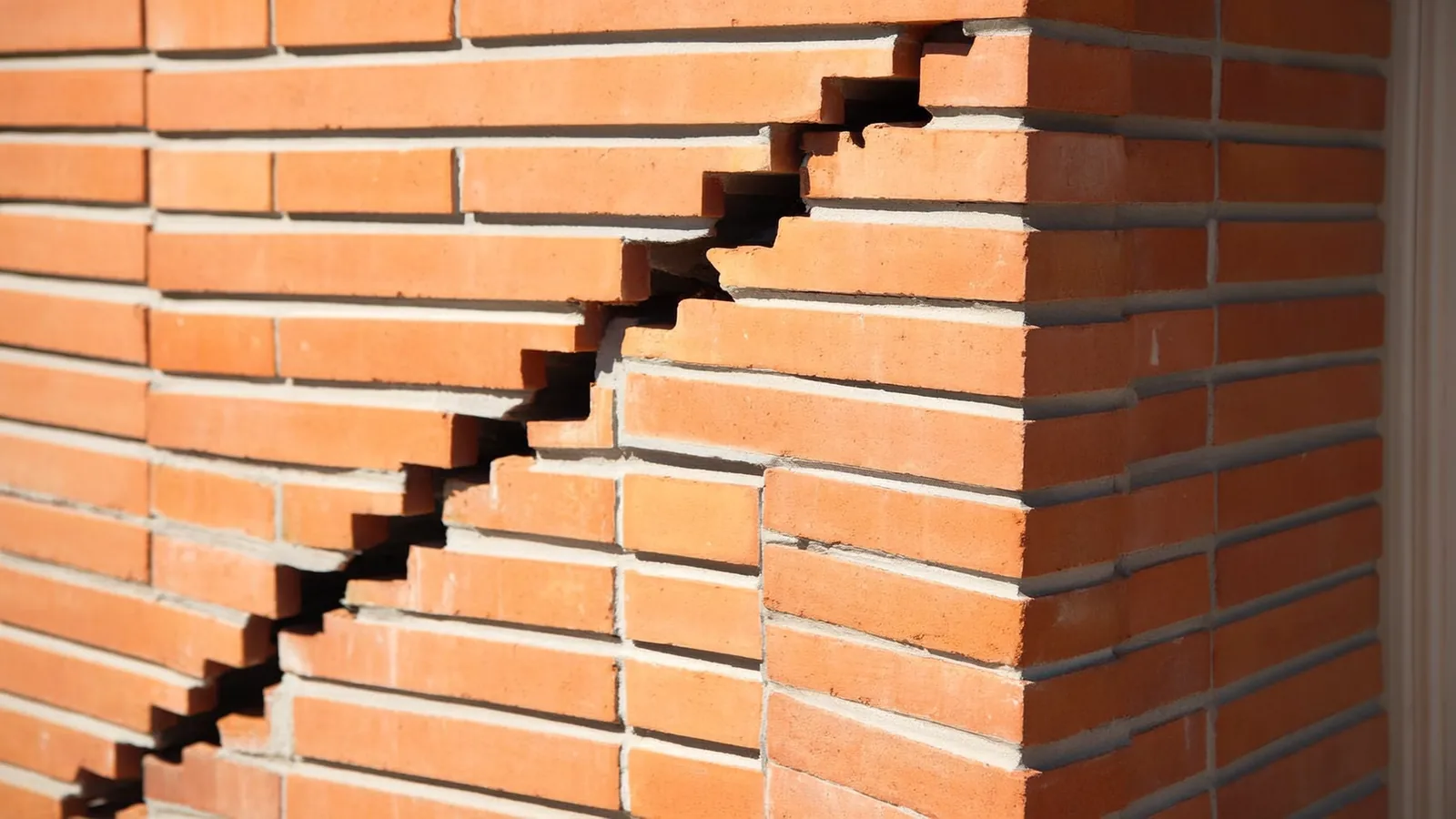
Stair-step cracks track the mortar joints in brick veneer or masonry block walls in a characteristic diagonal pattern. Nearly always structural rather than cosmetic. The pattern forms because differential settlement at one corner of the foundation racks the rigid brick along yielding mortar lines. Repair requires underpinning the settled corner before repointing the affected mortar. Typical cost $5,000 to $15,000.
Stair-Step Foundation Cracks foundation repair in Chattanooga
Stair-step cracks track the mortar joints in brick veneer or masonry block walls in a characteristic diagonal pattern. Nearly always structural rather than cosmetic. The pattern forms because differential settlement at one corner of the foundation racks the rigid brick along yielding mortar lines. Repair requires underpinning the settled corner before repointing the affected mortar. Typical cost $5,000 to $15,000.
Free written inspection
Get my free inspection →Same-day inspections in most cases. No-obligation written quote.
Symptom details
Understanding stair-step foundation cracks
What a Stair-Step Crack Looks Like
The pattern is unmistakable. A stair-step crack runs diagonally across a brick wall in a series of short horizontal and vertical segments that follow the mortar joints between bricks. The crack appears at one corner of the home and typically widens toward the top of the wall (the bottom of the crack at the foundation level is the narrowest point). Length is usually 4 to 10 feet of wall, depending on settlement severity.
Why brick produces this specific pattern
Individual bricks are rigid and high-strength. Mortar joints are weaker than the bricks themselves, and they are the natural path for crack propagation. When the foundation moves, the wall above must accommodate the movement somehow. The result is a fracture along the weakest available path, which traces a stepped diagonal line through the mortar between brick courses.
What Causes Differential Settlement at One Corner
Stair-step cracks always point to settlement at one specific corner of the foundation. Common drivers in Tennessee Valley homes:
- Expansive clay contraction. Tree roots near one corner drawing moisture from the soil, causing local shrinkage as the clay dries.
- Plumbing leaks. Slow water leaks under one corner of the slab softening the supporting soil.
- Drainage failures. One downspout discharging directly at a corner, oversaturating then drying out that specific soil column.
- Poor original compaction. If fill at one corner was not compacted to spec during construction, it settles over time more than the rest of the foundation.
- Buried debris or organic matter. Tree stumps or construction debris buried beneath one corner that compresses or decomposes over years.
Repair Sequence
Repair runs in three coordinated steps. Skipping the first creates a cosmetic-only repair that fails within a year.
- Underpin the settled corner. Helical piers or steel push piers at the affected corner halt further settlement. 2 to 6 piers are typical depending on corner load.
- Optional lift. Where appropriate, the corner is gently lifted back toward its original elevation as piers are loaded.
- Repoint mortar. The cracked mortar joints are ground out and refilled with new mortar matched to the existing color.
Related Symptoms
- Foundation cracks overview
- Sticking doors and windows (common companion)
- Sloping floors toward the settled corner
- Gaps around windows in the affected wall
Questions
Common stair-step foundation cracks questions
Are stair-step cracks always a sign of foundation problems?
What causes stair-step cracks?
How do you fix stair-step cracks?
How much does it cost to fix stair-step cracks?
Can I fix stair-step cracks myself?
Free inspection
Find out if your stair-step foundation cracks is serious
On-site inspection identifies cause and urgency. Written diagnosis within 24 hours. No obligation.