Symptom · Cosmetic
Vertical Foundation Cracks
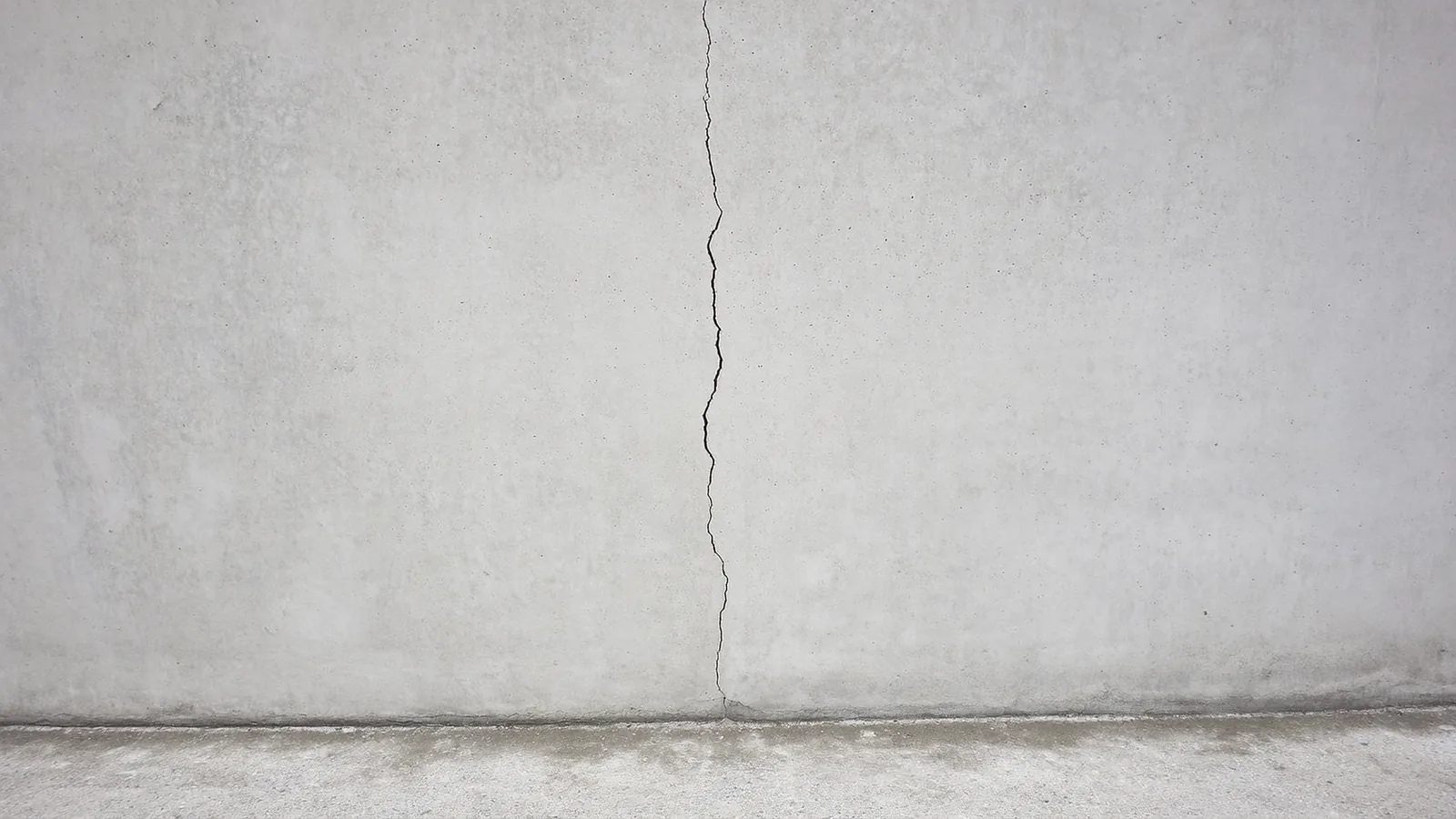
Vertical cracks are the least urgent foundation crack type. Hairline vertical cracks under 1/16 inch in poured concrete walls usually come from normal curing shrinkage and are cosmetic. They become structural concerns only when they widen past 1/8 inch, show displacement between the two sides, or visibly progress month to month. Repair starts at $250 to $800 per crack for sealing per Bob Vila's May 2024 cost guide.
Vertical Foundation Cracks foundation repair in Chattanooga
Vertical cracks are the least urgent foundation crack type. Hairline vertical cracks under 1/16 inch in poured concrete walls usually come from normal curing shrinkage and are cosmetic. They become structural concerns only when they widen past 1/8 inch, show displacement between the two sides, or visibly progress month to month. Repair starts at $250 to $800 per crack for sealing per Bob Vila's May 2024 cost guide.
Free written inspection
Get my free inspection →Same-day inspections in most cases. No-obligation written quote.
Symptom details
Understanding vertical foundation cracks
What Vertical Cracks Look Like
A vertical crack runs roughly top to bottom along a concrete wall or slab edge. The crack is straight, perpendicular to the floor, and typically has parallel faces (no displacement). Vertical cracks most often appear in poured concrete foundations because the curing shrinkage process pulls the concrete along its weakest tensile line, which is usually vertical. Block walls produce stair-step cracks instead of pure verticals because the mortar joints become the path of least resistance.
Where vertical cracks commonly appear
- Near corners of the foundation
- Above and below basement window penetrations
- Along the wall at re-entrant corners where the wall changes direction
- Across poured concrete floor slabs along curing-stress lines
When a Vertical Crack Is Not Cosmetic
Width alone is the simplest indicator. A hairline crack under 1/16 inch in width on a stable wall is almost always cosmetic. As the crack widens, structural concern grows. Several factors push a vertical crack toward the structural category regardless of width:
- Visible displacement where one side of the crack has shifted relative to the other
- Progression that you can measure month over month
- Pairing with other symptoms: stair-step cracks in brick, sticking doors, sloping floors
- Water staining on either side of the crack indicating active water entry
- Tapered shape where the crack is much wider at top than bottom, suggesting differential settlement
How Vertical Crack Repair Works
Cosmetic vertical crack repair is straightforward. A flexible polyurethane resin or rigid epoxy is injected through small surface ports into the crack. The resin fills the crack from front to back and cures to form a watertight seal. The repair is invisible from the surface and does not affect the structural performance of the wall.
For active settlement-driven vertical cracks, sealing alone is insufficient because the crack will simply re-open along the new movement path. Underpinning to halt the settlement comes first, using helical piers or steel push piers. Once the foundation is stabilized, crack sealing follows.
Related Crack Types
- Foundation cracks overview (parent guide covering all types)
- Horizontal cracks . urgent, hydrostatic pressure
- Stair-step cracks . brick veneer, differential settlement
- Floor cracks . slab cracks, shrinkage vs settlement
Questions
Common vertical foundation cracks questions
Are vertical cracks always a sign of foundation problems?
What causes vertical cracks?
How do you fix vertical cracks?
How much does it cost to fix vertical cracks?
Can I fix vertical cracks myself?
Free inspection
Find out if your vertical foundation cracks is serious
On-site inspection identifies cause and urgency. Written diagnosis within 24 hours. No obligation.