Guide
Selling a House with Foundation Issues
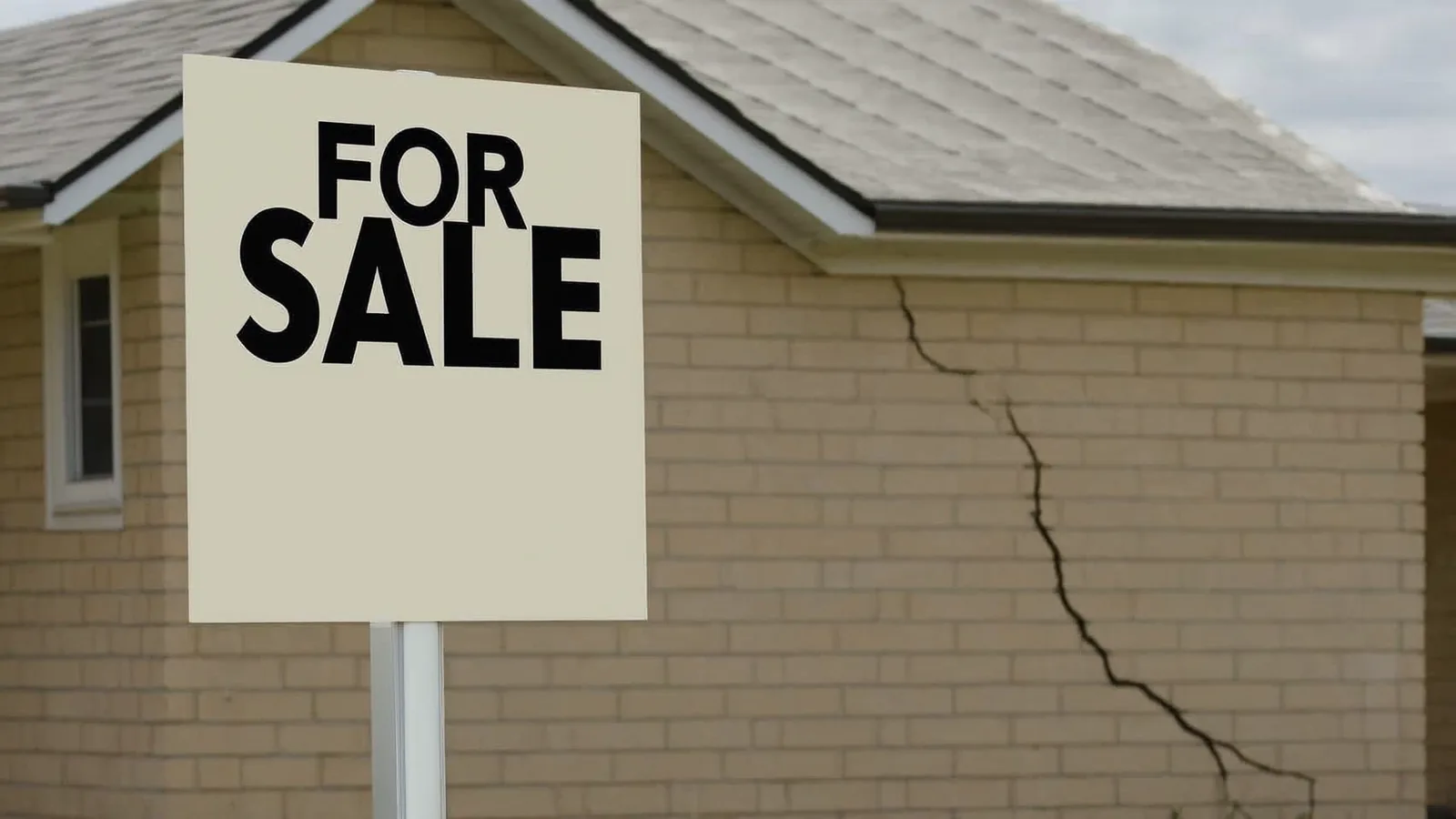
You can sell a house with foundation problems, but in Tennessee you must disclose known issues on the Residential Property Condition Disclosure. Two paths exist: repair before listing (typically recovers most of the repair cost and unlocks conventional financing for buyers) or sell as-is at a discount (faster but limits the buyer pool). For most sellers, repair-before-listing nets more value than the cost of repair itself.
Repair Before Listing vs Sell As-Is
| Factor | Repair First | Sell As-Is |
|---|---|---|
| Time to close | Add 4 to 8 weeks for repair process | No delay |
| Cash outlay | $5,000 to $20,000+ depending on scope | None upfront |
| Buyer pool | All buyers including conventionally-financed | Mostly cash buyers or investors |
| Sale price impact | Typically full market value | Typically 10 to 30 percent below market |
| Net financial result | Usually positive after repair | Discount usually exceeds repair cost |
| Risk | Repair finds additional issues, scope expands | Inspector flags reduce final price further |
Disclosure: What You Must Tell Buyers
Tennessee requires seller disclosure of known material defects on the Residential Property Condition Disclosure form. Material defects include foundation cracks beyond cosmetic, evidence of settlement, prior repair work, water intrusion history, and any active structural issues. Non-disclosure exposes the seller to post-closing fraud claims and rescission requests with substantial financial liability, often exceeding the original repair cost by an order of magnitude. The safest path is full disclosure of all known conditions.
The Documentation Advantage
A documented professional repair with a transferable warranty has a positive effect on sale price beyond simply removing the defect. Inspectors during the buyer’s inspection see the warranty documentation and certified work. Conventional lenders accept the home for financing. Buyer concerns about “what’s underneath” are addressed directly. The contrast is sharp: an undocumented or DIY repair often raises more buyer concern than not repairing at all because the work cannot be verified.
Chattanooga-Specific Considerations When Selling with Foundation Issues
Tennessee disclosure law applies statewide, but the Chattanooga market has a few patterns worth knowing for sellers facing the repair-vs-discount decision.
The hillside vs flat-lot buyer pool
Chattanooga buyers shopping in Signal Mountain, Lookout Mountain, and Missionary Ridge expect to see crawl-space and pier-and-beam construction. Buyers shopping in East Brainerd or Hixson expect slab-on-grade. Foundation issues that read as “normal” for a neighborhood’s typical construction (a minor pier settlement on Signal Mountain) raise fewer buyer concerns than the same issue in a neighborhood where the construction type is unusual.
Inspector flags that scare conventional financing
Conventional lenders for Chattanooga homes typically require the buyer’s home inspector to flag structural concerns to the appraiser. Any flagged structural issue often triggers a re-inspection requirement and sometimes a lender requirement that the issue be repaired before closing. Sellers facing this scenario either repair pre-listing (recovering most of the cost in sale price), accept cash-only buyers (smaller buyer pool, larger discount), or escrow funds at closing for the buyer to repair.
Pre-listing inspection timeline
Sellers planning to list in spring (Chattanooga’s strongest selling season) should complete pre-listing foundation inspection in winter or early spring. Repair work itself takes 1 to 4 weeks depending on scope, plus 4 to 8 weeks for the full process including permits and engineering. A January inspection can complete the repair by April; a March inspection runs into the heart of the selling season.
Questions
Selling a House with Foundation Issues FAQs
Can I sell a house with foundation problems?
Do I have to disclose foundation issues when selling?
Should I repair the foundation or reduce the price?
How much do foundation problems reduce home value?
Free inspection
Talk to a foundation specialist
On-site inspection with elevation survey. Written diagnosis within 24 hours. No obligation.