Symptom · Urgent
Water in Basement
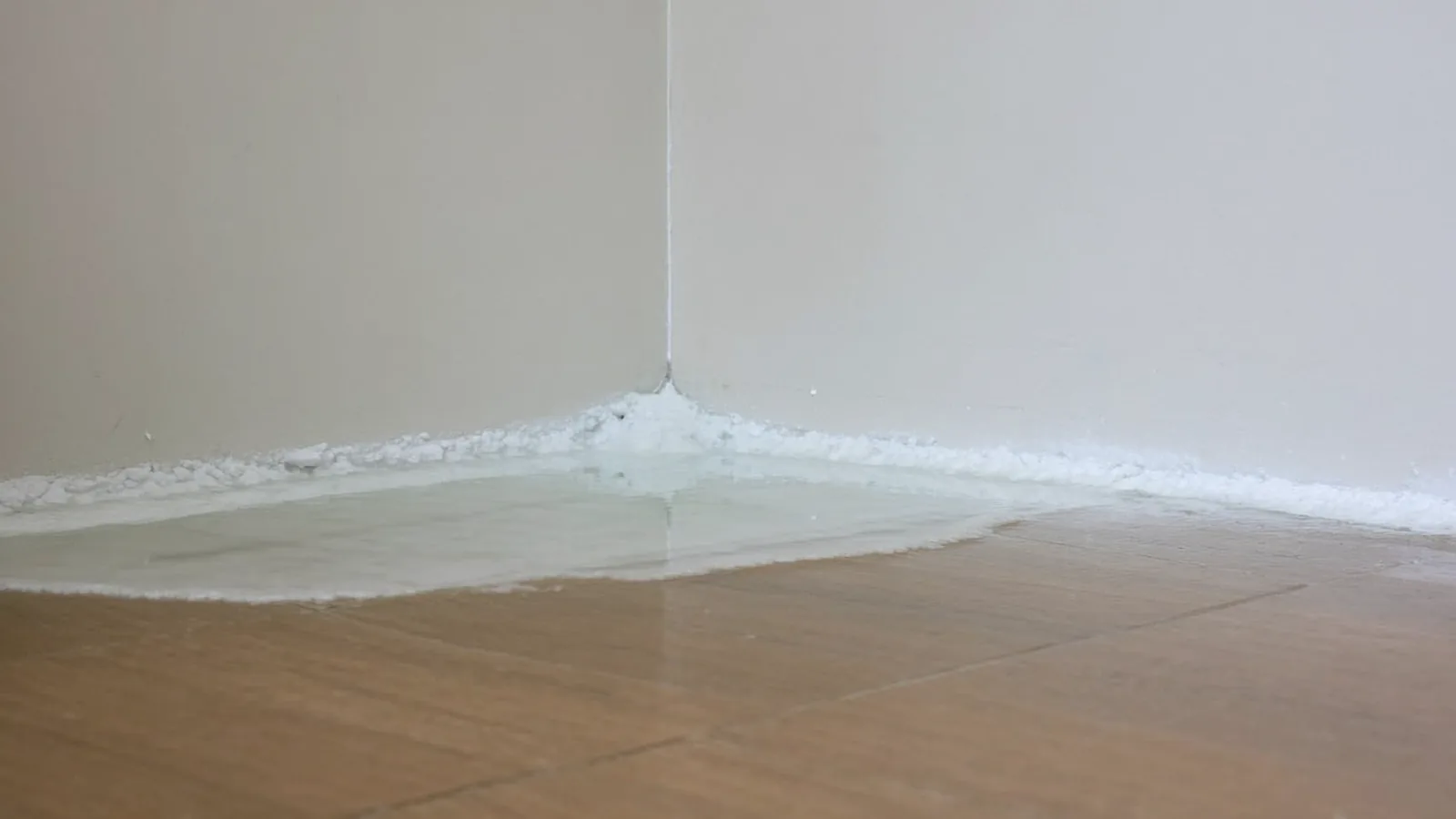
Water in the basement comes from one of four sources: surface runoff (gutters, grading), hydrostatic pressure on walls or floor joints, indoor plumbing leaks, or sewer backup. Diagnosis identifies the source, then the repair targets that source. Surface-runoff fixes cost $500 to $3,000. Hydrostatic-pressure waterproofing costs $2,300 to $7,600 per Bob Vila's May 2024 cost guide. Plumbing leaks are a separate plumber call.
Water in Basement foundation repair in Chattanooga
Water in the basement comes from one of four sources: surface runoff (gutters, grading), hydrostatic pressure on walls or floor joints, indoor plumbing leaks, or sewer backup. Diagnosis identifies the source, then the repair targets that source. Surface-runoff fixes cost $500 to $3,000. Hydrostatic-pressure waterproofing costs $2,300 to $7,600 per Bob Vila's May 2024 cost guide. Plumbing leaks are a separate plumber call.
Free written inspection
Get my free inspection →Same-day inspections in most cases. No-obligation written quote.
Symptom details
Understanding water in basement
Identifying the Water Source
| Pattern | Likely Source | Fix Category |
|---|---|---|
| Only after heavy rain, near a downspout | Surface runoff | Downspout extension, regrading |
| Wall-floor joint, after rain events | Hydrostatic pressure, saturated soil | Interior perimeter drainage + sump |
| Through specific wall crack, after rain | Hydrostatic through crack | Crack injection + drainage correction |
| Continuous trickle without rain | Indoor plumbing leak | Plumber, not foundation contractor |
| Backup through floor drain during storms | Sewer overload | Backflow preventer on floor drain |
| Constant dampness, no obvious leak | Vapor diffusion through walls | Vapor barrier + dehumidifier |
The Drainage-First Principle
Many basement water problems are solved by exterior drainage corrections that cost a fraction of interior waterproofing. The order of operations matters. Extend downspouts to discharge 6 to 10 feet from the foundation. Regrade soil to slope away from the house at 1 inch per foot for the first 10 feet. Clean gutters and add gutter guards. Trim back vegetation that shades the foundation and keeps soil chronically damp. If these corrections resolve the water entry, the more expensive interior or exterior waterproofing systems are not needed.
When Waterproofing Becomes Necessary
If drainage corrections do not solve the problem, the underlying cause is hydrostatic pressure that requires basement waterproofing. Interior perimeter drainage with sump pump installation costs $3,000 to $6,000. Exterior excavation and membrane application costs more, $5,000 to $7,600 and up. Each addresses the underlying water pressure differently; the right choice depends on site conditions and budget.
Water-in-Basement Patterns Specific to Chattanooga
Chattanooga’s 52-plus inches of annual rainfall combined with hillside terrain and older housing stock produces water-entry patterns that are recognizable from the timing and location alone.
Spring runoff vs steady-state moisture
Water that appears only during spring rain events typically indicates surface runoff or saturated-soil hydrostatic pressure (drainage failures). Water that appears year-round including in dry weeks indicates a different source: a plumbing leak, a chronic groundwater seep, or a failed sump pump. The diagnosis path differs sharply. Note when water first appeared and whether it correlates with rain events.
Hillside runoff misdirected from upslope
Properties downhill from neighbors on slopes (Lookout Mountain, Signal Mountain, Missionary Ridge) sometimes receive substantial runoff that originates next door. A neighbor whose downspouts discharge toward your foundation can cause basement water that no amount of your own drainage correction can fully solve. If this pattern is suspected, document it during a rain event before discussing with the neighbor or contractor.
Pre-1960 basement vs newer basement signals
Older Chattanooga basements typically show water entry at floor-wall joints (the weakest point) and through mortar cracks in masonry block walls. Newer basements with poured concrete walls typically show water entry through specific vertical cracks or through wall penetrations (water lines, electrical conduit entry points). The repair approach differs: older homes typically benefit most from interior perimeter drainage plus crack injection; newer homes often need exterior membrane work or targeted crack injection alone.
Questions
Common water in basement questions
Is water in the basement always a foundation problem?
What causes water in the basement?
How do you fix water in the basement?
How much does it cost to fix water in the basement?
Can I fix water in the basement myself?
Free inspection
Find out if your water in basement is serious
On-site inspection identifies cause and urgency. Written diagnosis within 24 hours. No obligation.